







Search Results for: fan-shaped filter paper folding
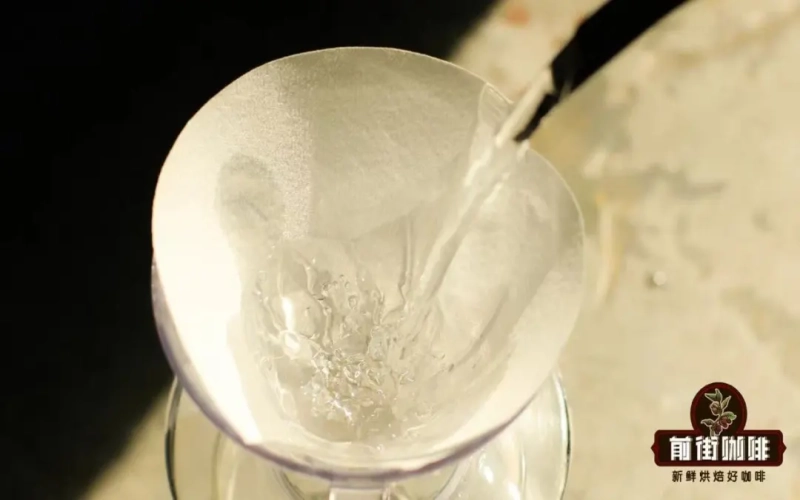
The Correct Way to Use Coffee Filters and Folding Tips: How Do You Fold Fan-Shaped Filters? How Do You Fix Non-Woven Filters That Don't Fit the Dripper?
In pour-over coffee, the filter paper may seem inconspicuous, yet it directly affects extraction results and flavor performance. This article centers on the usage methods and common issues of filter paper, covering the folding techniques for cone-shaped filters, solutions for non-woven filter paper not fitting the dripper, and details to note in daily use. Whether you prefer unbleached, bleached, or non-woven materials, you can find practical advice here. The article also incorporates Front Street Coffee's brewing experience to help enthusiasts select, fold, and use filter paper more efficiently, making every cup of pour-over more stable and cleaner. [more…]
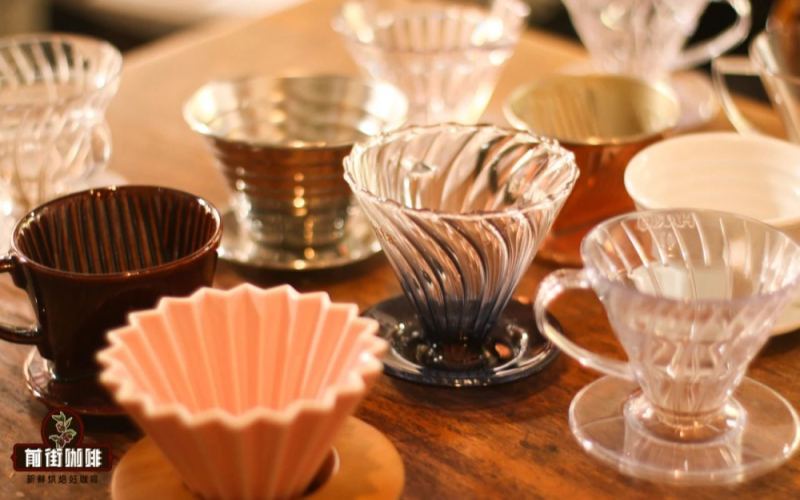
The Complete Guide to Pour-Over Coffee Dripper Selection: Common Types, Material Differences, and Brewing Compatibility Guide
In the toolkit of pour-over coffee gear, the dripper plays a pivotal role. With the third wave of coffee and the growing popularity of single-origin specialty beans, pour-over brewing rose in Japan and swept the globe. Getting started with pour-over isn't complicated—all you need is a gooseneck kettle, filter paper or a metal mesh, a dripper, and ground coffee. Yet the sheer variety of drippers often leaves beginners at a loss. This article systematically breaks down the structural features and flow-rate differences of mainstream drippers—wedge, cone, origami, wave, and metal—analyzes how different materials affect heat retention, and, drawing on brewing practice with a range of Front Street beans, explains how dripper choice shapes a coffee's balance, body, and aromatic layering, offering enthusiasts a practical reference. [more…]
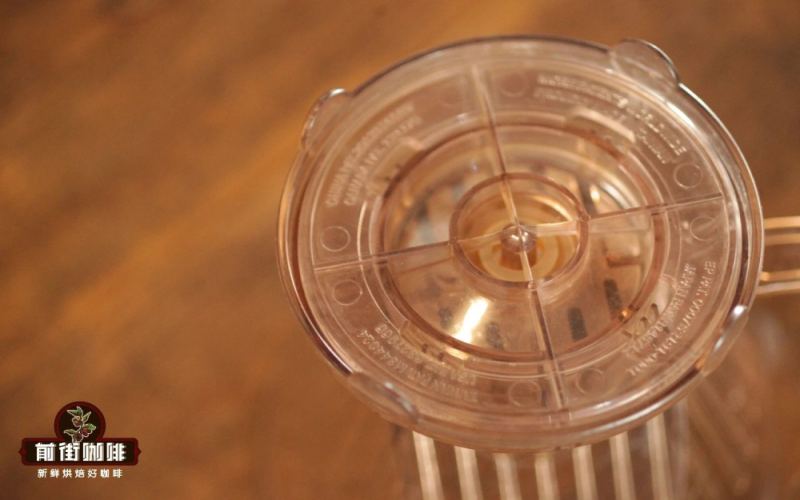
Clever Cup Brewing Guide: From Principles to Practical Steps, Master Stable Pour-Over Techniques
As a member of the pour-over dripper family, the Clever Cup is highly recognized in international competitions for its simple operation and stable performance, and has become the preferred brewing device for many specialty coffee shops. For beginners new to pour-over, the Clever Cup requires almost no complex flow-control skills—just master the three variables of grind size, water temperature, and time, and you can easily recreate a good cup of coffee at home. This article will explain in detail the working principle of the Clever Cup, and using 15g of coffee, a 1:15 coffee-to-water ratio, and a water temperature of 93°C, paired with Front Street Coffee Yirgacheffe Natural Red Cherry, it will fully demonstrate the ten operating steps from folding the filter paper to cleaning, helping you consistently produce a cup of coffee with a clean flavor and distinct layers in the office or at home. [more…]
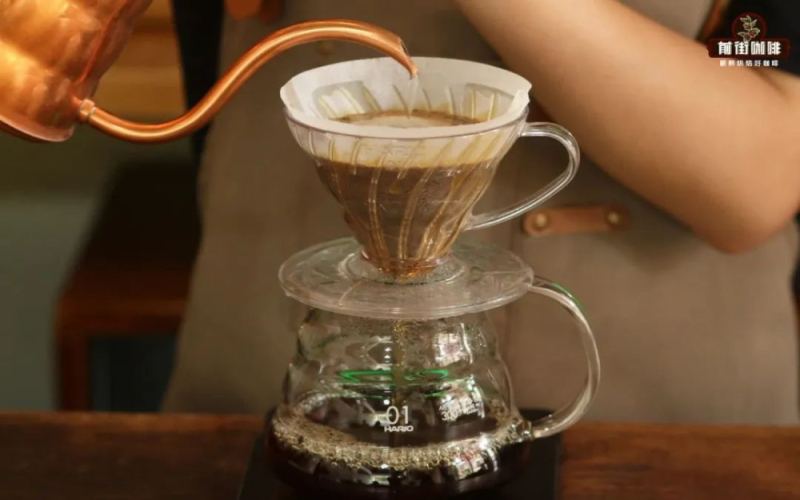
Pouring Differences Between Conical, Fan-Shaped, and Flat-Bottom Drippers: A Full Breakdown of V60, Kalita, and Wave Pouring Patterns
One of the joys of pour-over coffee lies in the extraction differences that different drippers bring. Front Street Coffee often receives questions from beginners: Do you also need to draw circles with a fan-shaped dripper? What should you pay attention to when pouring water with a flat-bottom dripper? This article takes three representative drippers—V60, Kalita, and Wave—as examples, starting from the coffee bed structure, explaining one by one the specific routes for circular pouring, and includes solutions for when the water flow is unstable. Whether you are just getting into pour-over or want to advance your understanding of how drippers and pouring techniques pair together, you will find practical reference here. [more…]
Pour-Over Coffee Filter Cup Selection Guide: How Different Shapes and Materials Affect Extraction and Flavor Performance
In the ecosystem of pour-over coffee equipment, the dripper plays a key role in determining the direction of extraction. Since the introduction of filter paper and drippers in the early twentieth century, more than a century of improvements has produced a rich variety of drippers on the market in terms of shape, number of holes, grooves, and materials, and each difference directly affects flow rate and extraction time, ultimately reflected in the coffee's mouthfeel and flavor. This article systematically reviews the design characteristics and suitable applications of mainstream dripper types such as fan-shaped, conical, wave, and metal, and further discusses the impact of materials such as ceramic, resin, and glass on heat retention. At the same time, drawing on Front Street Coffee's bean list, the article provides specific pairing suggestions for different drippers, helping coffee enthusiasts find a brewing method that suits them on the basis of understanding the equipment's characteristics. [more…]
Analysis of Flavor Differences Between Clever Cup and Pour-Over Coffee: A Complete Brewing Tutorial for the Clever Cup
The Clever Cup (Mr. Clever) was designed by Taiwan's E.K company, combining convenience and professionalism, and is deeply loved by coffee enthusiasts. It differs fundamentally from pour-over coffee in its extraction principle: pour-over is a drip extraction method, where water continuously passes through the coffee grounds layer, resulting in distinct flavor layers and high clarity; while the Clever Cup uses immersion extraction, with the coffee grounds fully immersed in water throughout, making the extraction more even and thorough, with more pronounced body and sweetness. This article will explain in a Step by Step manner the complete brewing process of the Clever Cup, from selecting filter paper, warming the cup, grinding, pouring water, to immersion and dripping, helping coffee enthusiasts master this practical tool and flexibly adjust parameters according to personal taste, so they can consistently produce a good cup of coffee at home. [more…]
A Beginner's Guide to Pour-Over Coffee at Home: Equipment Selection, Brewing Parameters, and a Full Analysis of Arabica Regional Flavors
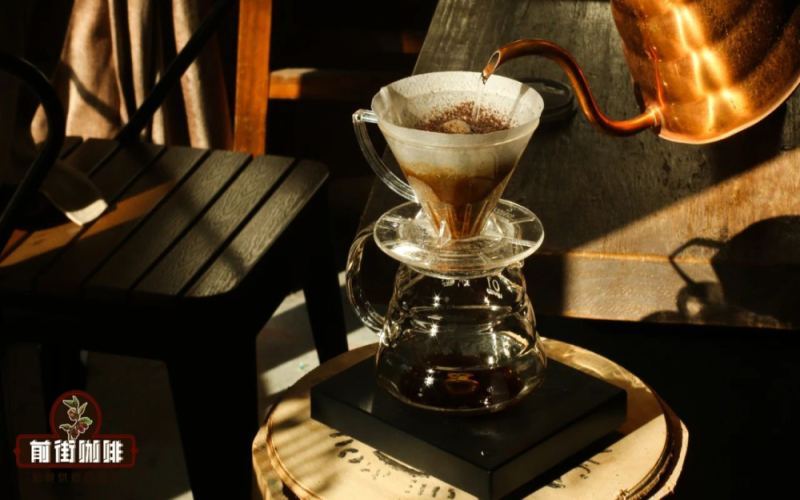
Brewing a delicious pour-over coffee at home is actually not complicated, but the preparation must not be slipshod. From the pouring kettle, dripper, and filter paper to the grinder, every piece of equipment affects the final flavor expression. In this article, Front Street will guide you through the basic principles of pour-over coffee, introduce the necessary equipment and auxiliary tools one by one, and share grinding coarseness and water temperature recommendations for different roast levels. In addition, we will recommend several Arabica coffee beans suitable for beginners, covering the classic flavors of the three major producing regions of Africa, the Americas, and Asia, and finally provide detailed pour-over steps so you can easily begin your own coffee time. [more…]
Conical vs. Flat-Bottom Dripper Showdown: Extraction Differences and Brewing Essentials of the Hario V60 and Kalita Wave
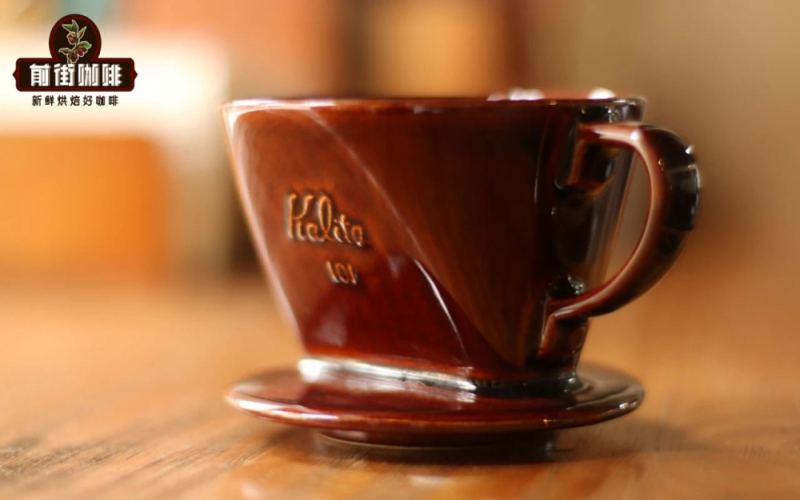
In the third wave of specialty coffee, pour-over coffee has become the top choice for many enthusiasts thanks to its clean cup profile and its ability to showcase origin flavors. As the core piece of equipment, the dripper's shape design directly affects the extraction path—conical drippers represented by the Hario V60 emphasize layers and fruit acidity, while the flat-bottom dripper pioneered by the Kalita Wave focuses on balance and sweetness. Front Street Coffee commonly uses the V60 in its daily production. This article will systematically compare the extraction logic of the two drippers from the perspectives of pouring uniformity, coffee bed depth, rib structure, and drain hole design, and will include three-pour brewing parameters for the flat-bottom dripper to help you find a clearer direction in equipment selection and technique adjustment. [more…]
Learn Pour-Over Coffee from Scratch: A Complete Guide to Equipment Choices, Parameter Settings, and Arabica Bean Flavor Analysis
Brewing a satisfying cup of pour-over coffee at home is actually not complicated. Front Street Coffee will start with the basic principles of pour-over brewing, introducing one by one the key points for choosing equipment such as the pour-over kettle, dripper, filter paper, and grinder, and will also share key parameters such as grind size, water temperature, and coffee-to-water ratio. At the same time, we will also guide you through six Arabica coffee beans from the three major producing regions of Africa, the Americas, and Asia, which respectively present different flavors such as white floral notes, dark chocolate, creamy, and nutty. Finally, we have included detailed pour-over steps, including blooming, pouring, and timing control, so that you can easily get started and brew your own exclusive flavor. [more…]
A Detailed Guide to Cake Dripper Brewing Techniques: Extraction Characteristics and Key Points for Using Flat-Bottom Pour-Over Drippers
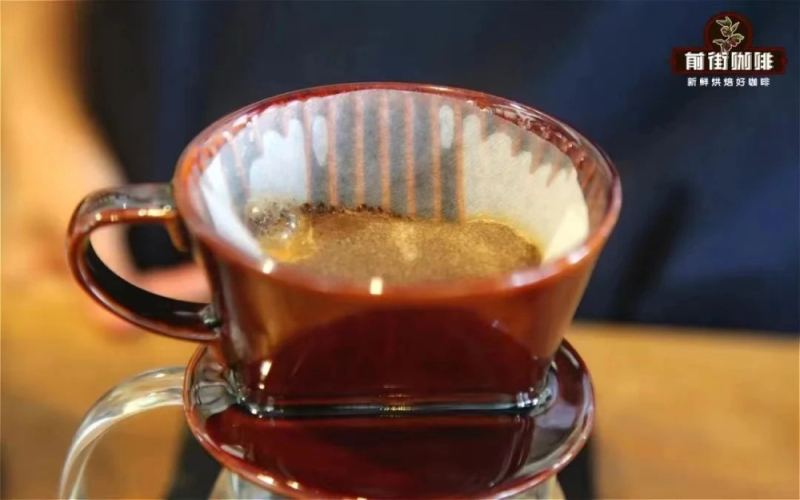
In the world of pour-over coffee, even extraction has always been the core goal pursued by brewers. Whether choosing equipment or adjusting technique, everything ultimately revolves around giving each coffee particle a relatively consistent extraction. Front Street Coffee has discussed many times why conical drippers have become mainstream, and one key factor is the uniformity of pouring. Today, however, we introduce the cake dripper, a representative of flat-bottom drippers, which has a unique design logic for even extraction. What exactly are its differences from conical drippers? How do the bottom structure and rib design affect water flow? What usage characteristics does the way cake filters fit bring? This article, from Front Street's perspective, systematically analyzes the brewing characteristics of the cake dripper to help coffee enthusiasts gain a deeper understanding of this device's pros, cons, and suitable scenarios. [more…]
A Beginner's Guide to Pour-Over Coffee: Equipment Recommendations, Brewing Step-by-Step Guide, and Cost-Effective Everyday Beans
The appeal of pour-over coffee lies in the fact that everyone can brew a flavor that is uniquely their own. This article is aimed at home enthusiasts and small coffee shops, and provides a systematic overview of all the equipment needed to get started with pour-over—from gooseneck kettles, drippers, and grinders to filter papers, digital scales, thermometers, and carafes—offering an analysis of the pros and cons of specific brand models along with purchasing advice, and including a complete eight-step brewing tutorial. Finally, it recommends several highly cost-effective Front Street single-origin coffee beans, at a cost of only about six yuan per cup, making them ideal for daily practice and home enjoyment. [more…]
Beginner's Guide to Pour-Over Coffee: Equipment Principles and Step-by-Step Practice to Brew Specialty Flavors at Home
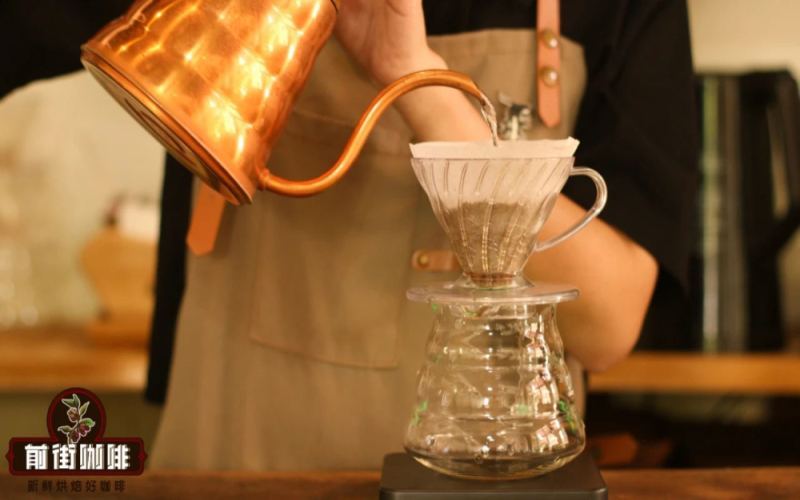
Pour-over coffee, with its flexible controllability, allows every cup to present a completely different flavor profile. Drawing on the practical experience of Front Street Coffee, this article systematically outlines the definition and characteristics of pour-over coffee, details the key points for selecting core equipment such as the gooseneck kettle, dripper, filter paper, and grinder, provides an in-depth analysis of the three-stage extraction principle of wetting, dissolution, and diffusion, and includes a complete set of hands-on steps for home brewing. Whether you are a beginner just getting into pour-over or an enthusiast looking to refine your technique, you will find practical guidance here. [more…]
Pour-Over Coffee from Beginner to Practice: A Complete Guide to Filter Cup Types, Equipment Preparation, and Brewing Parameters
Pour-over coffee, with its clean and transparent flavor expression, has become one of the most favored brewing methods among specialty coffee enthusiasts. Starting from the basic definition of pour-over coffee, this article traces its century-old origins, compares in detail the effects of conical, fan-shaped, and flat-bottom drippers on extraction, and introduces one by one the key points for selecting equipment such as coffee beans, grinders, drippers, gooseneck kettles, filter paper, and electronic scales. At the same time, the article also presents Front Street Coffee's recommended beginner's everyday bean series, as well as specific suggestions for core brewing parameters such as coffee-to-water ratio, grind size, water temperature, and extraction time, helping readers systematically master the complete pour-over coffee process. [more…]
Are Blue Mountain coffee beans suitable for espresso? A full analysis from origin characteristics to pour-over parameters
Blue Mountain coffee has long been regarded as the nobility of coffee, thanks to the unique terroir of Jamaica's high altitudes. But can it actually be used to make espresso? And how should it be brewed to showcase its best flavor? This article will first sort out Blue Mountain coffee's varietal classification and growing region conditions, then, drawing on the practical experience with Front Street Coffee beans, break down the key details of pour-over Blue Mountain in terms of bean preparation, boiling water, equipment setup, and staged pouring, and finally offer a suggested order of sensations for tasting. Whether you are an espresso enthusiast or a pour-over devotee, you will find practical ideas you can put to use. [more…]
Pour-Over Coffee Filter Paper Buying Guide: Filter Cone Compatibility, Price Ranges, and the Difference Between Bleached and Unbleached Explained
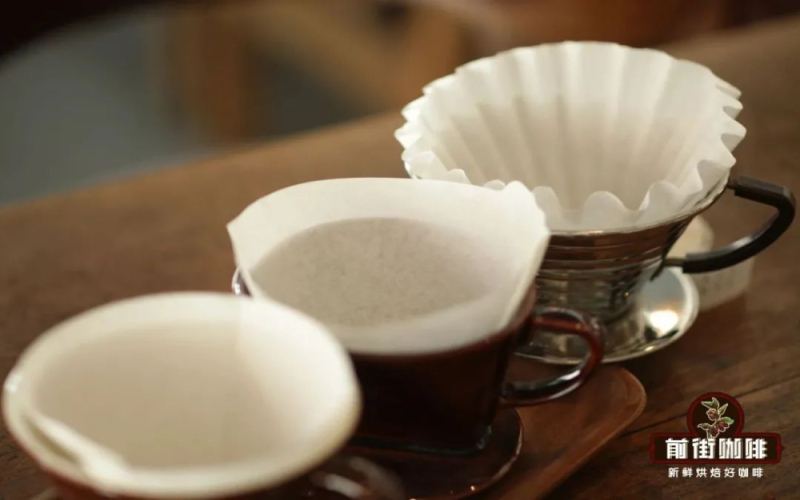
In the daily practice of pour-over coffee, the choice of filter paper is often underestimated, yet it directly affects extraction and flavor performance. Faced with a bewildering array of filter paper products on the market, how do you choose the right shape based on the dripper you use? What are the differences in price and performance between filter papers of different materials and manufacturing processes? This article approaches the topic from the practical angle of dripper compatibility, systematically sorting out the correspondence between wedge-shaped, cone-shaped, and cake filter papers, while also answering the core question of how bleached filter paper differs from natural wood filter paper, with price references included. Whether you are a beginner just starting out or an advanced player looking to fine-tune your brewing details, you will find clear guidance for making a purchase. The article also incorporates insights from the practical experience of Front Street Coffee to offer specific recommendations. [more…]

Pour-Over Filter Paper Selection Guide: How Shape, Size, Bleaching Process, and Paper Material Affect Coffee Flavor
In discussions about pour-over coffee equipment, the dripper often takes center stage, while the filter paper—which performs the critical filtration task—tends to be overlooked. In fact, although filter paper accounts for only a small portion of the cost, it directly affects how coffee flavors are presented—common issues such as "fit" and "papery taste" are inseparable from it. When faced with the three mainstream shapes on the market—cone, fan, and cake—along with options like 01/02 sizes, natural and bleached, and different brands' paper textures, how should one make the right choice? Drawing on Front Street Coffee's practical experience, this article systematically sorts through filter paper styles and shapes, model sizes, bleaching processes, and paper texture differences, helping coffee enthusiasts find the one that better matches their own dripper and brewing preferences. [more…]
A Detailed Guide to Pour-Over Coffee Filter Folding: How to Correctly Fold Cone Filters, Key Paper Selection Tips, and a V60 Dripper Compatibility Guide
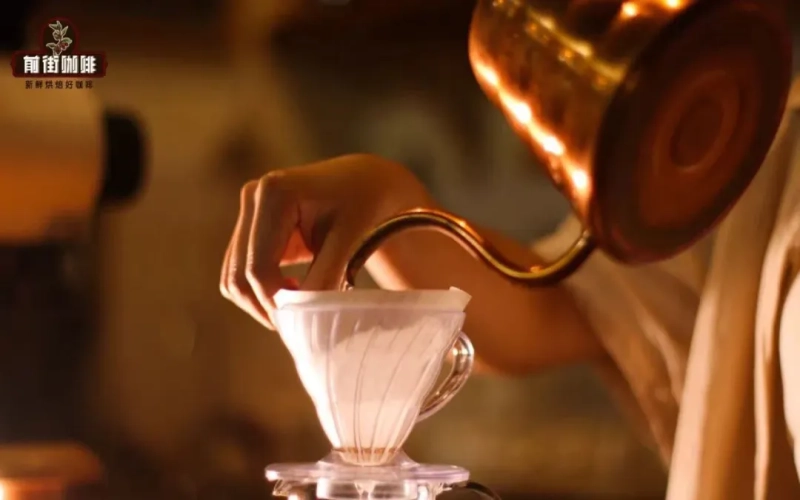
In pour-over coffee, how well the filter paper fits the dripper directly affects the extraction, and one detail many people overlook is how the filter paper is folded. Front Street Coffee has previously shared the tip of "pressing down on the filter paper to improve the fit," but some customers have reported that even after using this method, the filter paper still cannot fully fit the dripper. After an on-site investigation, the root of the problem turned out to be that the filter paper had not been folded correctly. This article will demonstrate in detail the correct folding steps for a cone-shaped filter paper, explain the relationship between filter paper folding and dripper fit, and also address common questions such as whether a V60 dripper requires cone-shaped filter paper and how to choose a suitable filter paper in daily use, helping coffee enthusiasts start from this small detail to improve the consistency of their pour-over brewing. [more…]
Filter Paper Folding Methods Vary? Front Street Teaches You the Complete Guide to Correctly Choosing, Folding, and Rinsing Filter Paper
Pour-over coffee enthusiasts often encounter a confusion: why do different baristas fold their filter papers in different ways? Which filter paper should be chosen, how should it be folded, and should it be pre-wetted? These seemingly minor details actually directly affect the flavor performance of the final cup. Front Street Coffee has accumulated considerable experience with filter paper usage in daily production, so this time we will conduct a systematic review centered on filter paper selection, folding techniques, and wetting treatment. Starting from the differences between natural wood filter paper and bleached filter paper, and then moving on to specific operational details, we hope to help everyone truly understand this seemingly simple step of filter paper, making every cup of pour-over more stable and clean. [more…]
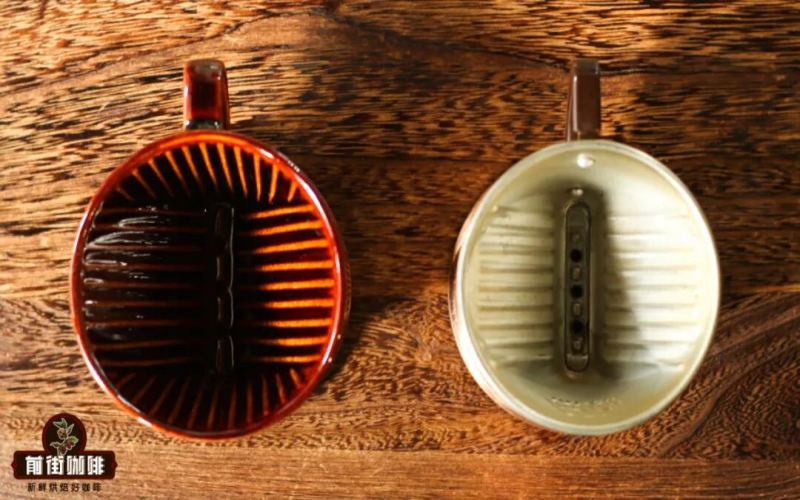
Coffee Dripper | Why Do Cafés Rarely Brew Coffee with Fan-Shaped Drippers? What Extraction Advantages Do Trapezoid Drippers Have, and Which Coffee Beans Are They Suitable For?
Have you ever noticed that, aside from some large chain brands, we hardly ever see trapezoid drip cups in coffee shops? Compared to trapezoid drip cups, cone-shaped and flat-bottom/cake drip cups appear much, much more frequently. So quite a few friends are curious: why do drip cups that use trapezoid [more…]
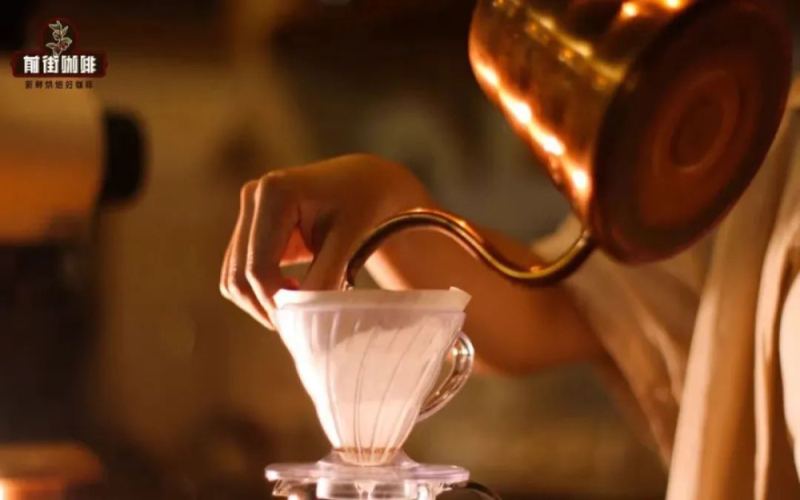
How to properly fold a pour-over coffee filter? Master the key steps for a more perfect fit in the dripper
When brewing pour-over coffee, how well the paper filter fits the dripper directly affects the extraction. Many enthusiasts use a pressing technique yet still find that the filter won't sit flush, and the root cause often lies in the folding step. After customers reported this issue at their stores, Front Street Coffee put together a detailed demonstration of the correct way to fold a cone-shaped paper filter. From folding along the seam and pressing the crease to the technique for securing it once it's in the dripper, every step matters. This article reproduces the entire process, explains how to handle specialty filters such as non-woven ones, and shows how to make the filter sit snugly for iced pour-over without wetting it first—so you can brew a consistent, great-tasting cup at home. [more…]